
Our plumbing services
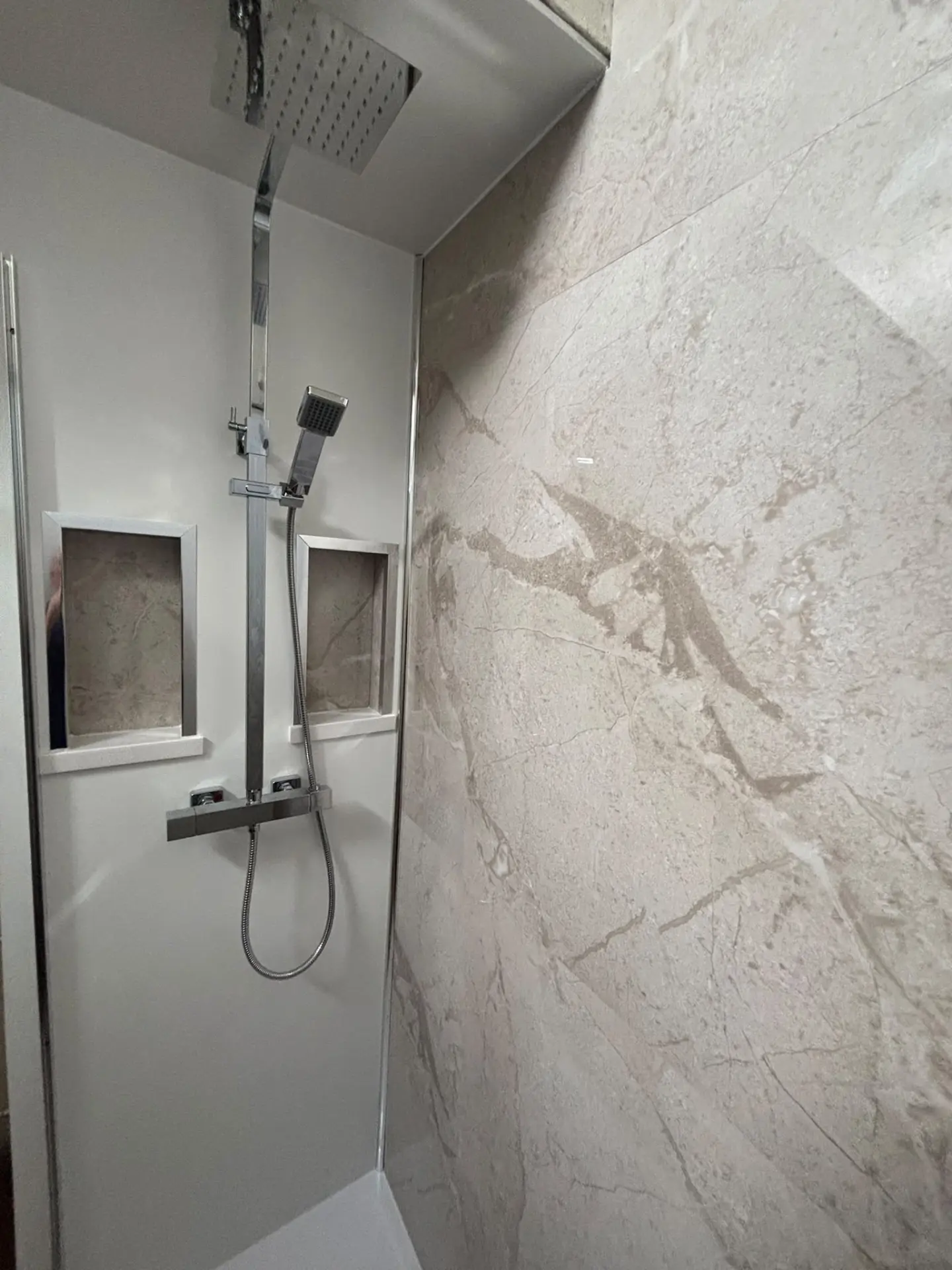
Shower installation
New showers fitted or old ones replaced, with the right type of shower chosen for your hot water system so it actually performs. More on fitting a new shower.
Bath installation
Old baths taken out and new ones fitted, levelled, supported and connected, with the seals and panels finished properly. More on fitting a new bath, or see bath and shower installation for both together.
Bathroom plumbing
Installations, repairs, leaks, slow drains and pipework changes for sinks, showers, toilets and baths. More on bathroom plumbing repairs and installs.
Tap and fixture installation
Taps, basins and shower fixtures fitted in bathrooms, kitchens and utility rooms, with the right connections and a tidy finish. More on fitting taps and fixtures.
Common bathroom plumbing jobs
| Job | What's usually involved |
|---|---|
| A new shower | Choosing a shower to suit the water system, supply pipes, valve, waste and sealing |
| Replacing a bath | Removing the old bath, levelling and supporting the new one, connecting taps and waste |
| A dripping tap | New washers or cartridges, or a replacement tap if it's worn out |
| A leak below the bathroom | Tracing the source, often a waste joint, shower tray seal or failed sealant |
| A slow-draining basin or shower | Clearing the trap and waste, and checking the waste pipe has enough fall |
| A running toilet | Replacing the fill valve or flush valve |
| New pipework for a new layout | Moving supplies and wastes before walls and floors are finished |
Your hot water system matters
A lot of disappointing showers come down to a mismatch between the shower and the water system. Before fitting anything, it's worth knowing what you have.
Combi boiler. Heats water on demand from the mains. Good pressure, and works well with mixer showers, but there's a limit to how much hot water it can deliver at once.
Unvented cylinder. A hot water cylinder fed at mains pressure. Strong pressure to several outlets at once, and well suited to mixer showers.
Gravity-fed system. A cold water tank in the loft feeding a hot water cylinder. Pressure depends on the height of the tank, so it's often low in upstairs showers, and a pump may be needed.
Electric shower. Heats its own water from the cold supply, so it works whatever the system, and keeps working if the boiler breaks down.
Boiler and gas work is a separate trade and needs a Gas Safe registered engineer. Our work is on the plumbing that feeds and drains the bathroom.
Leaks: what to look for
Bathroom leaks are often slow and hidden. Signs to watch for:
- Stains on the ceiling below the bathroom.
- Loose or cracked tiles around the bath or shower.
- Mould or black sealant that keeps coming back.
- A musty smell in the bathroom or the room below.
- Floor that feels soft near the bath, shower or toilet.
A simple check: turn off every tap and appliance that uses water, then look at your water meter if you have one. If it's still moving, water is going somewhere. Most bathroom leaks come from a handful of places: shower tray and bath seals, waste joints under the bath or basin, and the joints on older pipework. The sooner a leak is found, the less damage it does to floors and ceilings. See our page on bathroom plumbing for more.
Choosing fittings that last
Not all taps, valves and shower mixers are equal. Cheap fittings often use cartridges and seals that are hard to replace, so a small drip means a whole new tap. Fittings from established manufacturers usually have spare parts available for years, which makes them cheaper to keep running. Thermostatic shower valves are worth having on any mixer shower: they hold the water at a steady temperature when someone flushes a toilet or runs a tap elsewhere in the house, which matters most for children and older people.
Know where your stopcock is
If a pipe bursts or a fitting fails, the first job is turning off the water. The internal stopcock is usually under the kitchen sink, but in older houses it can be in a cupboard, under the stairs or under a floor. It's worth finding it now, checking it turns, and making sure everyone in the house knows where it is.
Toilets
A toilet that keeps running, refills on its own every so often, or rocks when you sit on it all have simple causes. A running toilet usually needs a new fill valve or flush valve seal. One that refills on its own is leaking water into the pan, which wastes far more than most people realise. A rocking toilet can loosen the pan connector at the back, which is a common source of slow leaks into the floor. If you're choosing a wall-hung toilet with a hidden cistern, make sure there's an access panel, because the valves inside will need attention one day.
Frozen and burst pipes
Fife winters can be hard on pipes in cold spaces: lofts, outside walls, garages and under suspended floors. Lagging exposed pipes and keeping a little background heat on during cold snaps goes a long way. If a pipe does burst, turn off the water at the stopcock, open the cold taps to drain the system down, keep clear of any electrics the water has reached, and call for help.
Drains and smells
A basin or shower that drains slowly is usually a blockage in the trap or the waste, most often hair and soap. Clearing the trap often solves it. If it keeps coming back, the waste pipe may not have enough fall, or it may be too long or too narrow for the flow. A smell from a plughole that isn't used much is often just a dried-out trap; running the tap for a minute refills it.
Older homes in Fife
Older properties often have older plumbing. Scottish Water says houses built before 1970 have a higher chance of lead pipework, and advises replacing any lead pipes inside the property. Old galvanised steel pipes can corrode inside and reduce flow. When a bathroom is being refitted, it's the ideal time to replace old pipework while the walls and floors are open. Our guide to a bathroom in an older stone home covers more of what to expect.
Water regulations in Scotland
Plumbing in Scotland is covered by Scottish Water's water byelaws, which set out what fittings and materials can be used and how they're installed. They're there to protect drinking water and prevent waste. Using approved fittings and installing them properly is part of doing the job right.
Landlords and rentals
Plumbing faults in rented homes need dealing with quickly, especially leaks that can damage the flat below. If you manage rented or HMO properties, our guide to bathrooms in rented and HMO properties in Fife covers what to think about.
Plumbing as part of a new bathroom
If you're replacing the whole bathroom, the plumbing is planned as part of the renovation, so pipes and wastes go exactly where the new layout needs them. See our page on complete bathroom renovation.
Where we work
We're based in Leven and work across Fife, including Glenrothes, Kirkcaldy, Dunfermline, Cupar, St Andrews and the East Neuk. See our page on bathroom fitters in Leven and Levenmouth or all the areas we cover.
Frequently asked questions
What kind of plumbing do you do?
Bathroom plumbing: showers, baths, taps, fixtures, pipework, leaks and drainage. We also fit taps in kitchens and utility rooms.
Do you work on boilers?
Boiler and gas work needs a Gas Safe registered engineer. Our work is on the plumbing that feeds and drains the bathroom.
Why is my shower pressure low?
Often because of the hot water system. Gravity-fed systems give low pressure upstairs. A pump or an electric shower can help.
How do I know if I have a hidden leak?
Look for stains below the bathroom, loose tiles, a musty smell or a soft floor. With everything turned off, a moving water meter is a strong sign.
Can you replace old pipework?
Yes. A bathroom refit is a good time to replace old pipework while it's accessible.
Do you give free quotes?
Yes. Call 07453 243277 or send an enquiry, and we'll come back to you with a free quote.
Back to All Services